
Anime Wallpapers
Download and tweet 250 000+ stock photo wallpapers for free in Anime category. ✓ Thousands of new images daily ✓ Completely free ✓ Quality images from MetroVoice
 Aggretsuko
- Akatsuki HD
 Akito Takagi
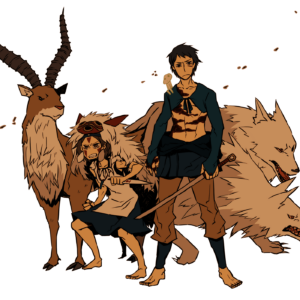 Ashitaka
- Assassination Classroom
 Attack On Titan
 Attack On Titan HD
- Bakuman
- Black Butler: Book Of The Atlantic
- Boku No Hero Academia
 Broly DBS
 Bunny Drop
- Clannad After Story
- Code Geass
- Cowboy Bebop
 Daikichi Kawachi
- Death Note
- Death Note L
 Demon Slayer Kimetsu No Yaiba 4K
- Descending Stories: Showa Genroku Rakugo Shinju
- Detective Conan
- Dororo
- Dororo And Hyakkimaru
- Dororo Manga
 Dr. Stone Hd Anime
- Dragon Ball Z HD
- Edward Elric
- Eikichi Onizuka
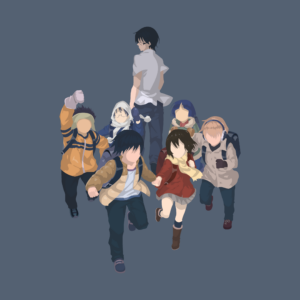 Erased
- Eren Yeager
- Fairy Tail
- Fate/Zero
 Fire Force Desktop
 Fruits Basket HD
- Fullmetal Alchemist: Brotherhood
- Ginko Mushishi
 Gintama Kanketsu-hen: Yorozuya Yo Eien Nare
 Gintoki Sakata
- Goku
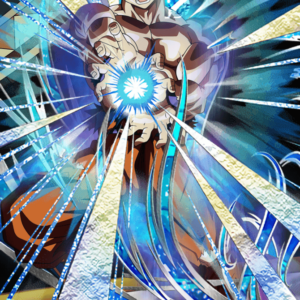 Goku Ultra Instinct
- Gon Freecss
- Great Teacher Onizuka
 Haikyuu!!
- Haikyuu!! Karasuno High School Vs Shiratorizawa Academy
- Hajime No Ippo
- Haku
- Happy Sugar Life
- Haruhi Suzumiya
 Hotarubi No Mori E
- How NOT To Summon A Demon Lord
- Hyakkimaru
- Ippo Makunouchi
- Irina Jelavić
- Itachi HD
- Izuku Midoriya
- Jeff Hardy
- JoJo's Bizarre Adventure
- Jotaro Kujo
- Kamisama Kiss: Kako-hen
- Kaori Miyazono
- Kara No Kyoukai
- Kayo Hinazuki
- Kenshin Himura HD
- Koshi Sugawara
- Koyomi Araragi
- Kurisu Makise
- Kuroko Tetsuya
- Lelouch Lamperouge
 Mangekyou Sharingan
 Mayoi Hachikuji
- Mitsuha Miyamizu
 Mo Dao Zu Shi
 Mob Psycho 100
 Mob Psycho 100 Season 2
- Monkey D. Luffy
- Monogatari Series
 Mushishi
 My Hero Academia
 My Hero Academia Season 4
- Nadeko Sengoku
 Nagisa Furukawa
- Naofumi Iwatani
- Naruto HD
- Natsu Dragneel
- Natsume Yuujinchou Roku
- Natsume Yuujinchou Roku Specials
- Natsume Yuujinchou Shi
- One Piece
 One Punch Man
- Quan Zhi Gao Shou
- Re:Zero
- Rei Kiriyama
- Reiko Natsume
- Riko Made In Abyss
- Rimuru Tempest
- Saitama
- Sakura Matō
- Sakura Yamauchi
 Sarazanmai
- Schwi
- Seattle Sounders
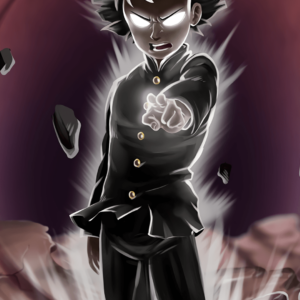 Shigeo Kageyama
- Shouko Nishimiya
- Shouyou Hinata
- Shun Kaidō
- Sōhei Fujii
- Soul Land
 Spike Spiegel
- Steins;Gate
- Takashi Natsume
- Takegawa Hotaru
- Taki Tachibana
 That Time I Got Reincarnated As A Slime
 The Boy And The Beast
 The Disappearance Of Haruhi Suzumiya
- The Disastrous Life Of Saiki K.
- The Promised Neverland
 The Promised Neverland HD
- The Rising Of The Shield Hero
- The Seven Deadly Sins
- The Seven Deadly Sins: Revival Of The Commandments
- Tomoya Okazaki
- Touko Aozaki
- Violet Evergarden
- Wizard Howl
- Wolf Children
- Yona Of The Dawn
- Your Lie In April
- Your Name
About collection
This collection presents the theme of Anime. You can choose the image format you need and install it on absolutely any device, be it a smartphone, phone, tablet, computer or laptop. Also, the desktop background can be installed on any operation system: MacOX, Linux, Windows, Android, iOS and many others. We provide wallpapers in all popular dimensions: 512x512, 675x1200, 720x1280, 750x1334, 875x915, 894x894, 928x760, 1000x1000, 1024x768, 1024x1024, 1080x1080, 1080x1920, 1131x707, 1152x864, 1191x670, 1200x675, 1200x800, 1242x2208, 1244x700, 1280x720, 1280x800, 1280x804, 1280x960, 1280x1024, 1332x850, 1366x768, 1440x900, 1440x2560, 1600x900, 1600x1000, 1600x1067, 1600x1200, 1680x1050, 1920x1080, 1920x1200, 1920x1280, 1920x1440, 2048x1152, 2048x1536, 2048x2048, 2560x1440, 2560x1600, 2560x1707, 2560x1920, 2560x2560
How to install a wallpaper
Microsoft Windows 10 & Windows 11
- Go to Start.
- Type "background" and then choose Background settings from the menu.
- In Background settings, you will see a Preview image. Under
Background there
is a drop-down list.
- Choose "Picture" and then select or Browse for a picture.
- Choose "Solid color" and then select a color.
- Choose "Slideshow" and Browse for a folder of pictures.
- Under Choose a fit, select an option, such as "Fill" or "Center".
Microsoft Windows 7 && Windows 8
-
Right-click a blank part of the desktop and choose Personalize.
The Control Panel’s Personalization pane appears. - Click the Desktop Background option along the window’s bottom left corner.
-
Click any of the pictures, and Windows 7 quickly places it onto your desktop’s background.
Found a keeper? Click the Save Changes button to keep it on your desktop. If not, click the Picture Location menu to see more choices. Or, if you’re still searching, move to the next step. -
Click the Browse button and click a file from inside your personal Pictures folder.
Most people store their digital photos in their Pictures folder or library. -
Click Save Changes and exit the Desktop Background window when you’re satisfied with your
choices.
Exit the program, and your chosen photo stays stuck to your desktop as the background.
Apple iOS
- To change a new wallpaper on iPhone, you can simply pick up any photo from your Camera Roll, then set it directly as the new iPhone background image. It is even easier. We will break down to the details as below.
- Tap to open Photos app on iPhone which is running the latest iOS. Browse through your Camera Roll folder on iPhone to find your favorite photo which you like to use as your new iPhone wallpaper. Tap to select and display it in the Photos app. You will find a share button on the bottom left corner.
- Tap on the share button, then tap on Next from the top right corner, you will bring up the share options like below.
- Toggle from right to left on the lower part of your iPhone screen to reveal the "Use as Wallpaper" option. Tap on it then you will be able to move and scale the selected photo and then set it as wallpaper for iPhone Lock screen, Home screen, or both.
Apple MacOS
- From a Finder window or your desktop, locate the image file that you want to use.
- Control-click (or right-click) the file, then choose Set Desktop Picture from the shortcut menu. If you're using multiple displays, this changes the wallpaper of your primary display only.
If you don't see Set Desktop Picture in the shortcut menu, you should see a submenu named Services instead. Choose Set Desktop Picture from there.
Android
- Tap the Home button.
- Tap and hold on an empty area.
- Tap Wallpapers.
- Tap a category.
- Choose an image.
- Tap Set Wallpaper.